
BEYOND THE TRAILS | STORIES OF CUYUNA
Mitakuye Owasin: The Land Beneath Our Tires
Note: Many thanks to Leonard Wabasha of Mdewwatankon Sioux Community of Shakopee.
Originally researched and written in 2020 by Crew volunteer Joshua Rebennack.
For untold generations, the land that now contains Cruser’s Kettle would have been home to the Mdewakanton (“dwellers at the spirit waters”) people. The Mdewakanton were considered part of the Isáŋyathi Dakhóta (Santee Sioux) peoples and were represented in Oceti Sakowin (“The Seven Council Fires”), sometimes called the Upper Council of the Dakota. The great Mdewakanton city, Izatys, was located on the southwestern shores of Mde Wakan (“Lake of Mystics/Spirits”; Mille Lacs Lake) near modern-day Vineland.
The Mdewakanton peoples have a modern term: “Mitakuye Owasin” (“All My Relations”). It denotes the relational nature of life, in which all things are connected, related to, and affected by one another. The Mdewakanton villages, dotted along the Mississippi River, would have felt this connection as the land changed with the seasons, altering their relationship to it. As generations rolled by, the climate and landforms changed, requiring new and different relationships.
The area of Cruser’s Kettle would have been used by the Mdewakanton in different ways as the seasons passed. The hills and soil might not have been ideal for crops, at least compared to the land nearer the river, so this land would have been used for other resources. These uses included harvesting syrups and barks in the spring, gathering berries during the summer, hunting migrating birds in autumn, and trapping fur-bearing animals in the winter months. From their elm bark homes in riverside villages, the Mdewakanton would have ventured out, using tipis as mobile sites, to hunt bison near Brainerd or travel northward along the river to hunt moose and elk.
Unfortunately, many Minnesotans are introduced to the history of the Mdewakanton through the accounts of European explorers such as Greysolon du Lhut and Father Louis Hennepin, rather than through the perspectives of the Mdewakanton themselves. European writings often portrayed the Mdewakanton through the colonial stereotype of the “noble savage,” viewing them as subjects of distant monarchs while claiming their ancestral lands and seeking to convert them from spiritual beliefs that Europeans deemed “heathen.”
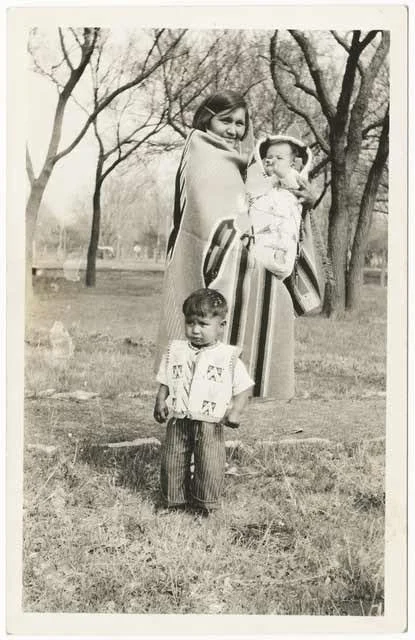
Pictured: A Mdewakanton family, photo taken in early 1920s, location unknown.
Initial contact with Europeans created a pattern of dispossession that accelerated under the U.S. government. New settlers arrived, claimed Mdewakanton lands and resources, and contributed to devastating warfare between Indigenous nations. These weakened nations were then forcibly removed from their remaining homelands by the federal government.
The Battle of Kathio (Izatys), believed to have taken place around 1750, resulted in a victory for the Ojibwe-Anishinaabe and forced most of the Mdewakanton west and south. Following the U.S.-Dakota War of 1862, most Dakota people were forcibly expelled from Minnesota, leaving few Mdewakanton communities within the ancestral homelands they had occupied for generations.
So, when you arrive at the shores of Lost Long Lake along Cruser’s Kettle, take a moment to stop and listen. The spirits of generations of Mdewakanton will be there in the breeze, speaking to you. They will be asking you to do one thing: to treat all your relations and the land, near and far, with equal respect.
For you have more relations than you know. From your fellow human to the smallest insect and the largest tree, we are all connected.
Mitakuye Owasin. All My Relations.
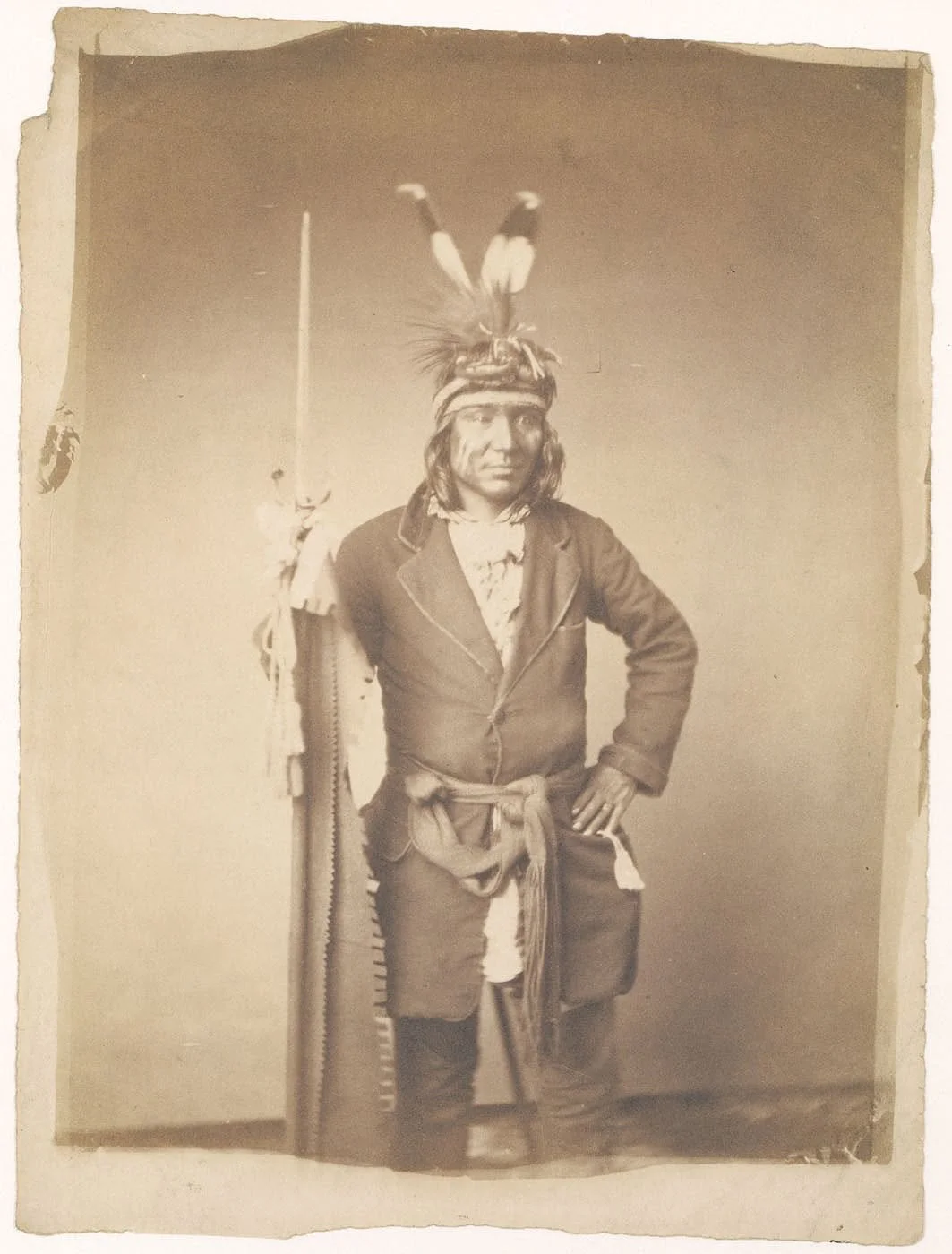
Pictured: A Mdewakanton man identified as Shining Iron. It's important to remember that photographs like this, particularly those from the mid-to-late 1800s, were often staged by non-Indigenous photographers. Even so, his fortitude is striking.
Continue Learning
A Note from the Crew: In revisiting this story, we've included additional educational resources that prioritize Indigenous voices and perspectives. We recognize there is always more to learn and welcome corrections, insights and resources that help us share this history accurately and respectfully.
We encourage you to explore the history, culture and living traditions of the Indigenous peoples connected to the land we ride and care for through the resources below.
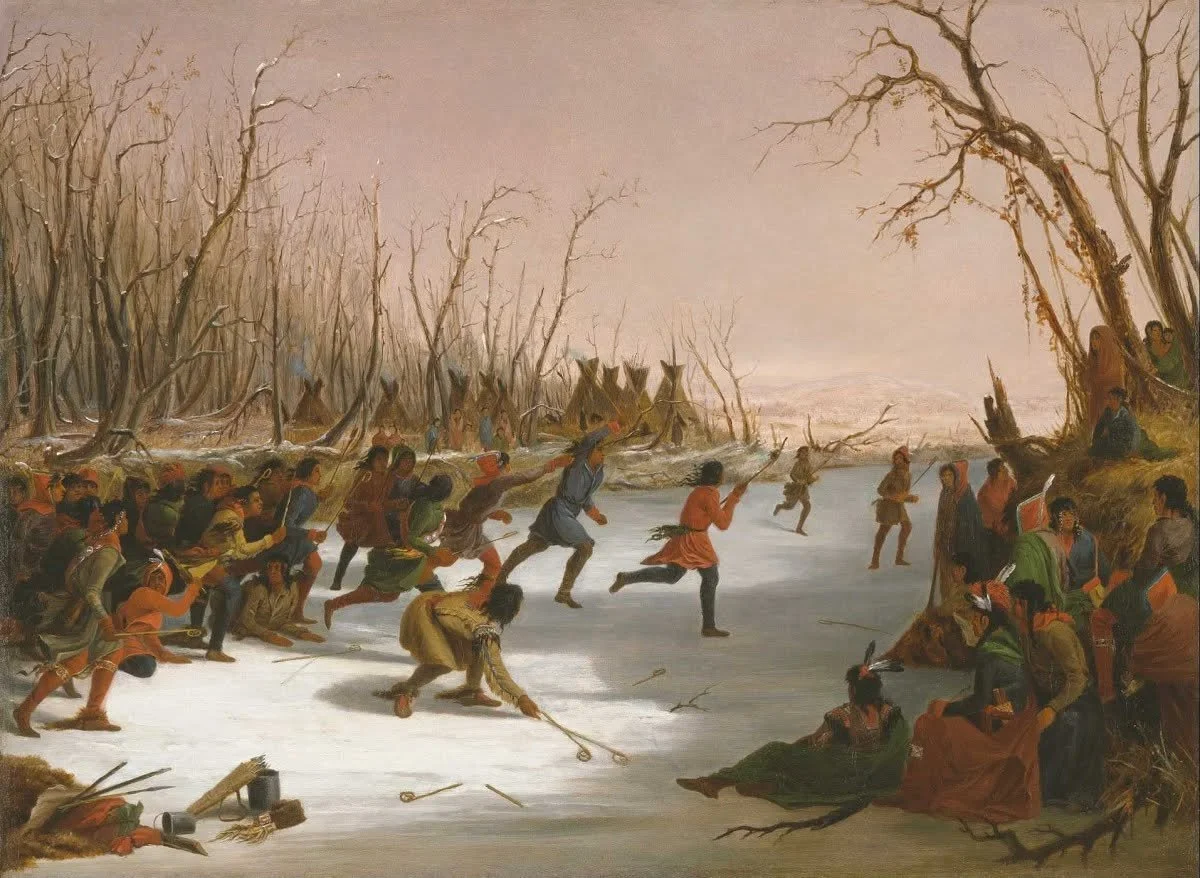
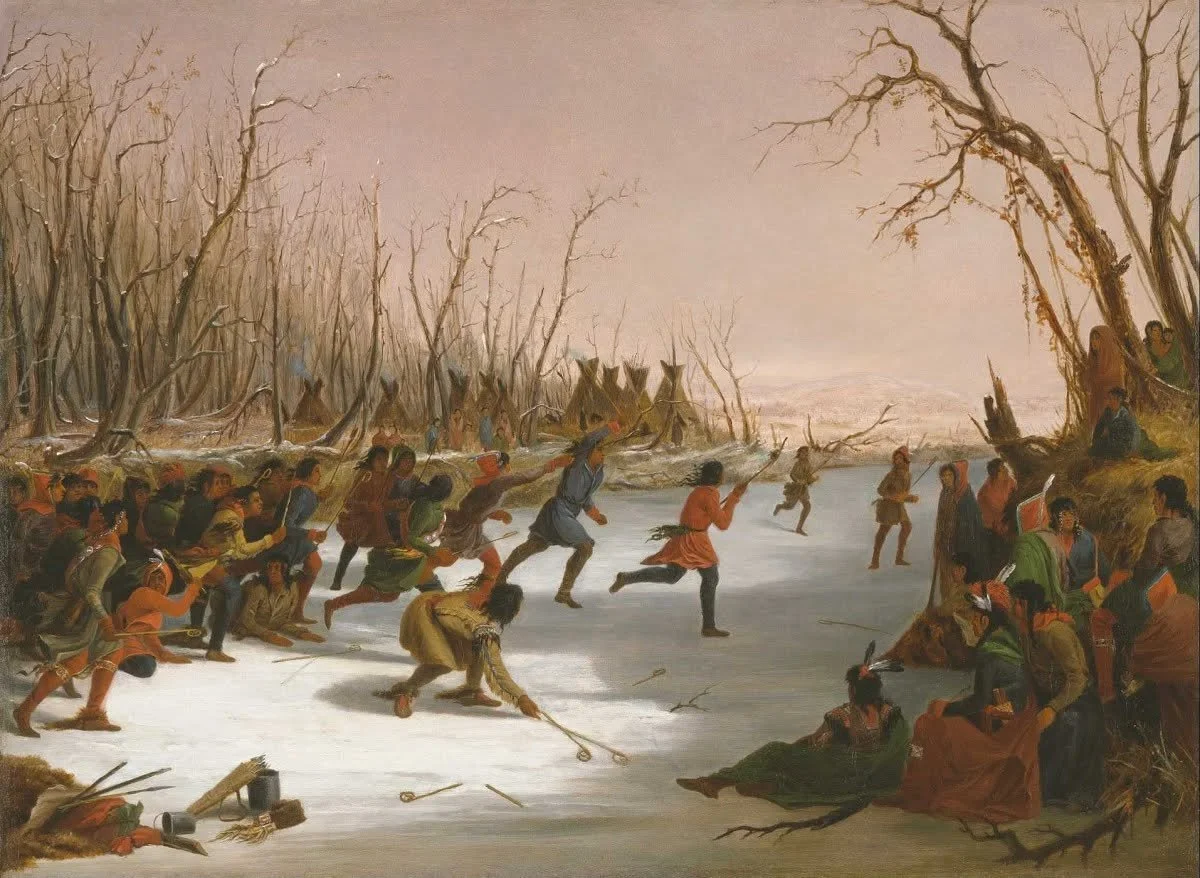
Pictured: Ballplay of the Dakota on the St. Peters River in Winter (1848). A depiction of Dakota community members playing a form of lacrosse on a frozen river.
Other Links:
Additional educational resources and edits provided by the Cuyuna Lakes Mountain Bike Crew in 2026.