
FREEZE/THAW CYCLE EXPLAINED
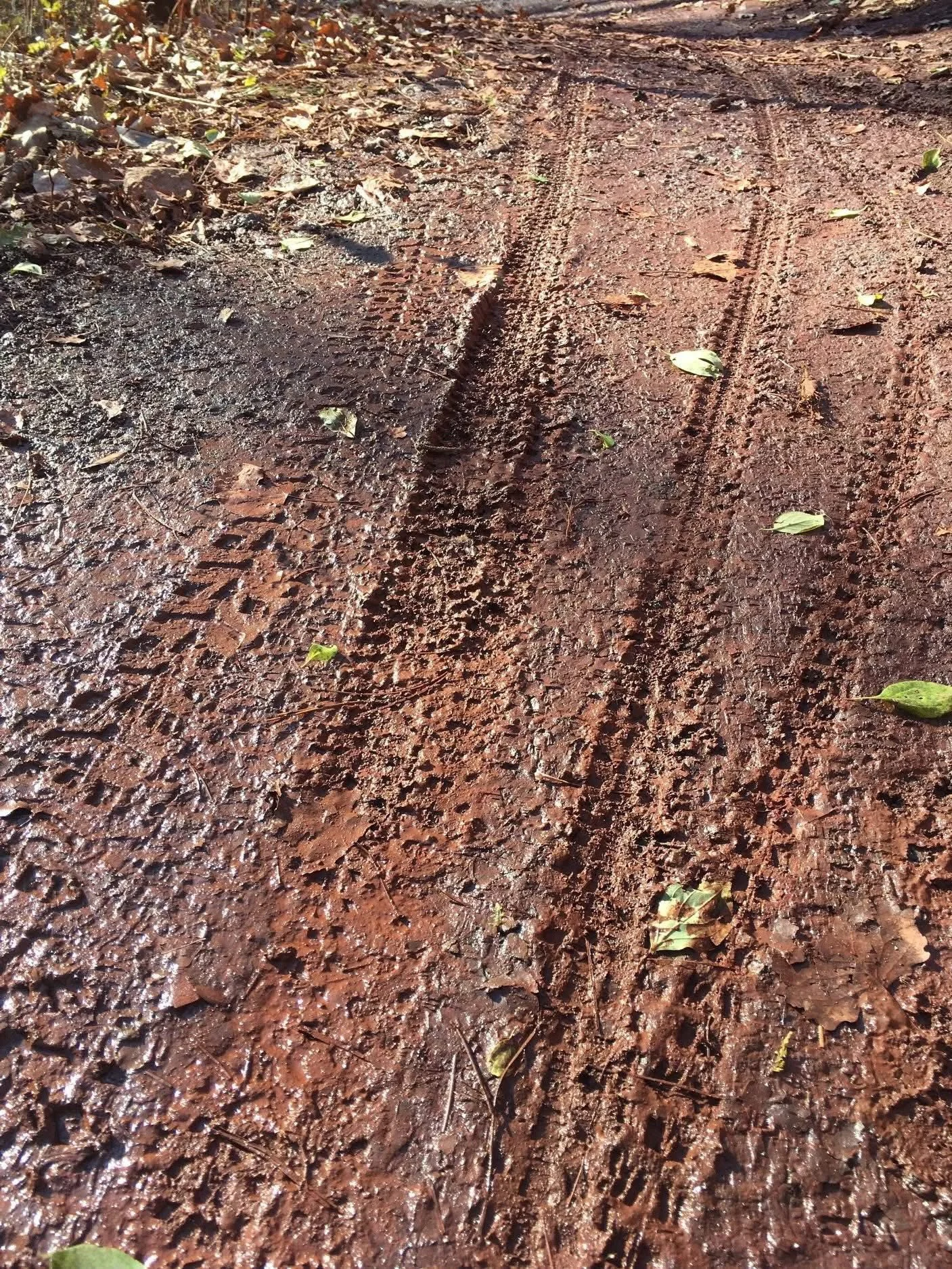
Small ruts like this cause trail damage, widen trails, and create unnecessary work.
Our trails are volunteer-maintained, and their time is limited. The more time spent fixing damage now, the less time is spent improving trails later.
We’re entering the freeze/thaw cycle, aka the most frustrating time to be a mountain biker. Snow can be in the forecast, but so can rain and warm temperatures, and it’s anyone’s guess how it’ll shake out.
As the ground begins to thaw late morning and refreeze overnight, think before you hit the trails. If you’re leaving ruts, footprints, or sinking into mud, consider ALL trails closed. Ride when temps are below freezing, typically early morning.
Despite the spring-like temperatures, trail advocates warn that now is the worst time to hit the trails. It could look like spring in your yard or on the side of the road, but the reality is that it's not the same in the woods. There's still snow and ice on trails and mud as it melts. The ground is trying to thaw and refreeze, causing a muddy, sloppy mess. These guidelines will stay in place until the frost is out of the dirt. If you’re leaving visible ruts and/or footprints, you’re contributing to erosion and creating unrideable, hard-to-fix trail surfaces requiring hours of volunteer labor to correct. Help us spread awareness and encourage everyone to be considerate trail users.
HOW IMPROPER USE CAUSES DAMAGE
Two common responses we hear regarding riding wet trails are “they fix themselves” and “mountain bikes have plenty of suspension to deal with trail damage.” Both are untrue. Trail damage and erosion that occurs over time from proper use is a different beast than that which occurs as a result of abuse. Once a rut is formed, it is only aggravated by further travel and water, requiring hours of labor to correct.
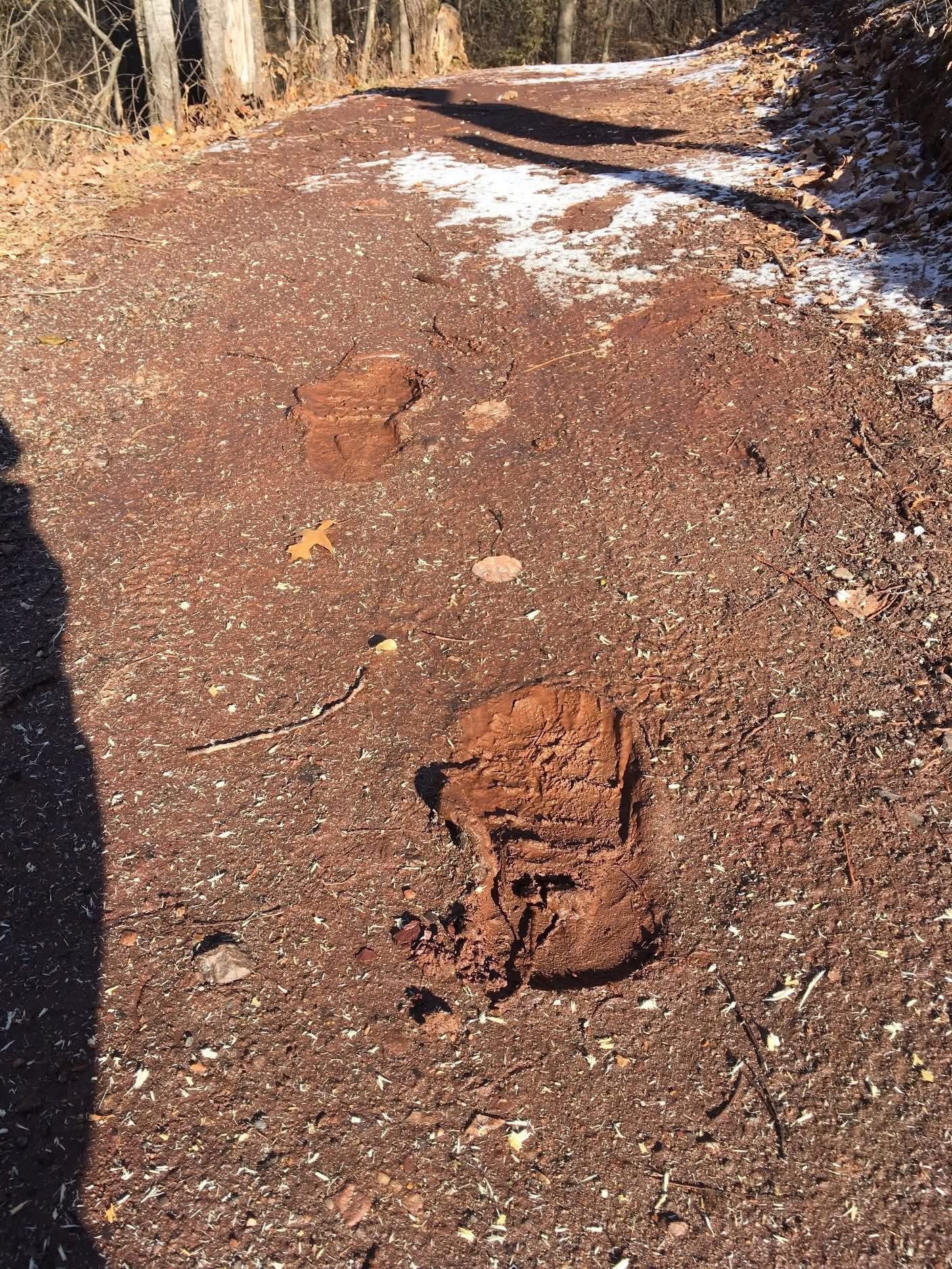
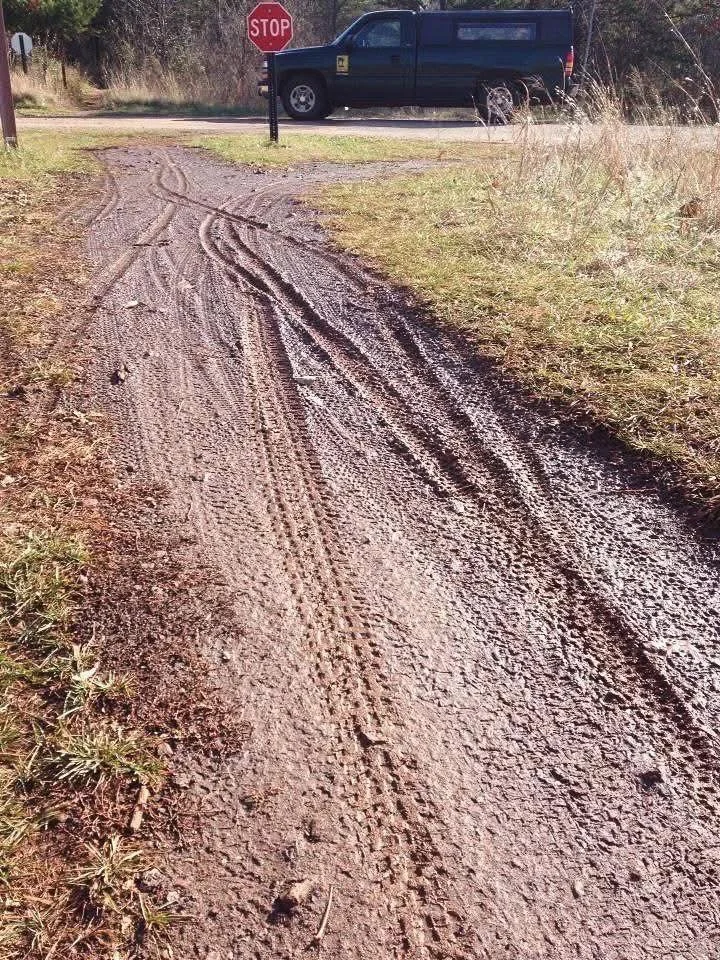
Those berms and flow we crave so much are no match for running water, which takes the path of least resistance. Ruts create low spots, trapping moisture that would otherwise run off the slope, deepening over time and forming mini canals that are perfect for grabbing your front tire and throwing you over the bars.
Damaged multiuse trails hinder access for all users, including hikers and trail runners. Once dry, the same damaged trails become a safety concern. This damage can even lead to trails closing for a long period of time due to repairs.
how it’s bad for your bike
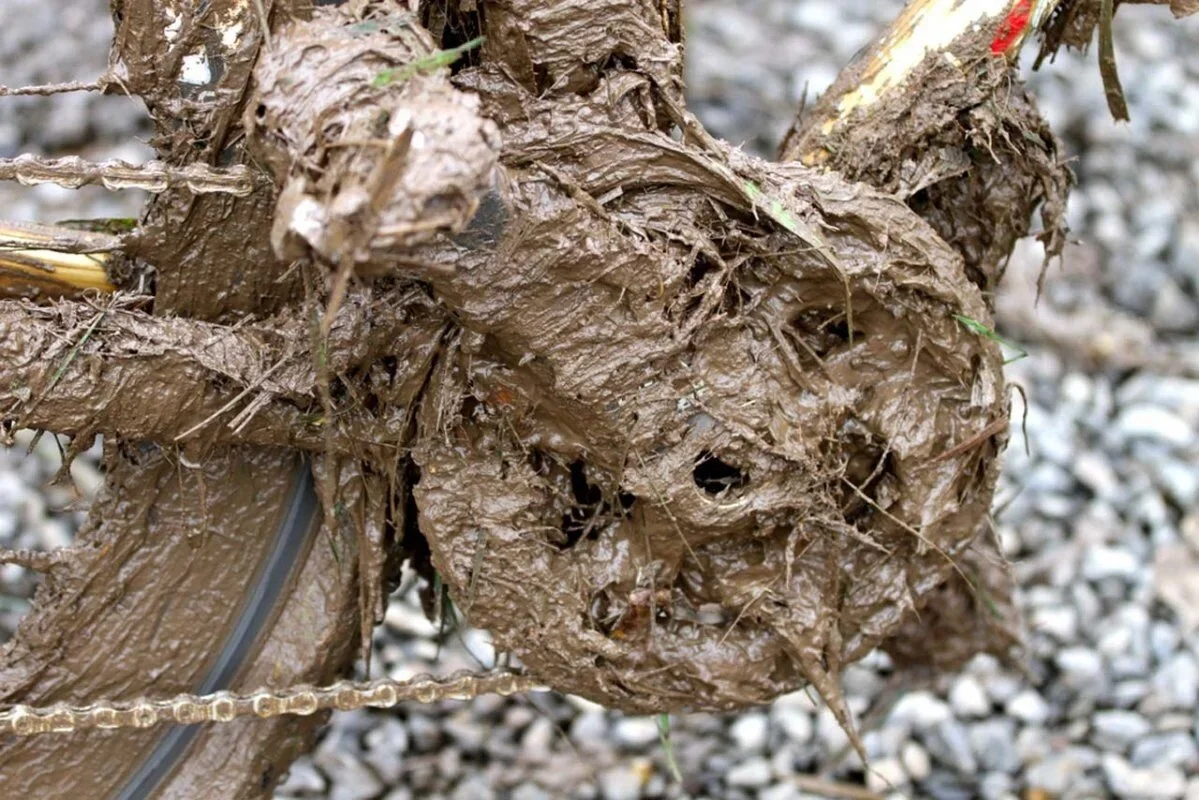
Riding in wet and muddy conditions not only damages trails, but it kills drivetrains.
Unless you like shelling out an extra couple hundred bucks for new brake pads, chains, and seals, or spending your Saturday cleaning every nook and cranny on your bike instead of riding, stay off muddy trails and plan for the weather. Trust us, we’ve been there before, and it’s no fun.
Tips for Trail Use During the Freeze/Thaw Cycle
Tips for Trail Use During the Freeze/Thaw Cycle
Use mud season to build fitness by putting in some serious "base miles" on the road or gravel. If you don't have a gravel/road bike, lock out the fork and switch tires on your mountain bike, and you'll feel supercharged. Most serious racers train on the road for good reason, and the fitness you'll develop will make your trail riding that much more fun.
Do some urban or suburban assault rides. This is a great time, if you're into technical riding, to explore the neighborhood for ramps, steps, and other challenges that can hone your technical skills. Of course, respect your local neighborhood while shredding the urban areas.
Ride on rail trails or other hardened bike paths. You'll be away from traffic, get some needed fitness, and feel good about yourself since you're doing the right thing by staying off the trails.
Use local knowledge to find areas that are free from mud and frost. Internet forums are a great resource to find great riding.